Parviz Tanavoli: The Sculptor Who Gave Form to Nothingness
A pioneer of modern Iranian sculpture and a leading figure of the Saqqakhaneh movement. Tanavoli is best known for his iconic Heech (Nothingness) series, blending Persian calligraphy with modern form.
12/18/20252 min read
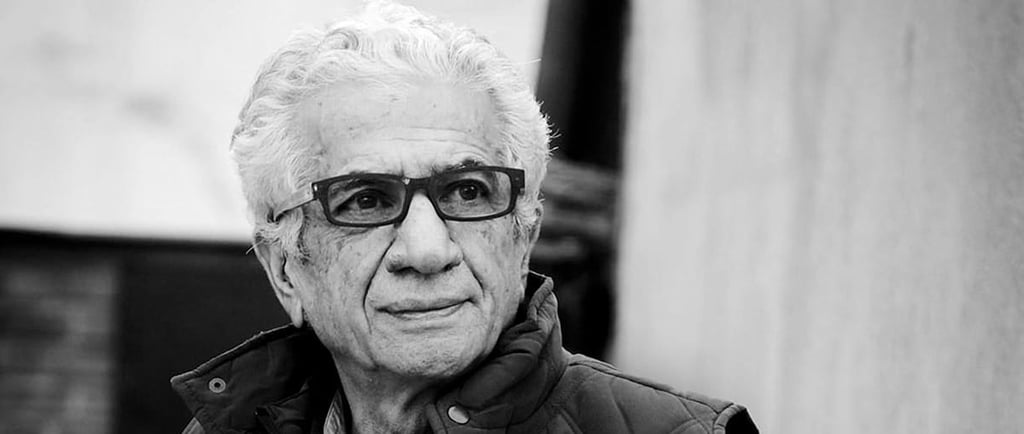
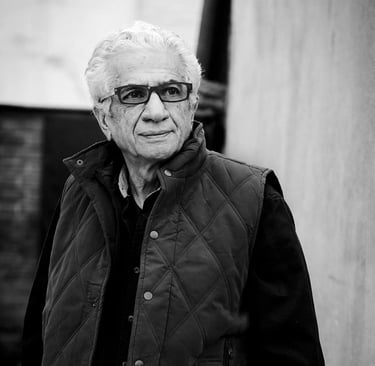
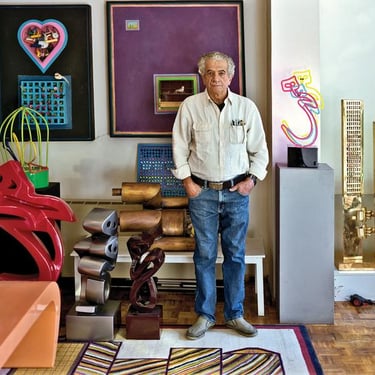
Parviz Tanavoli is universally recognized as one of the most influential figures in the history of modern Iranian art. Born in Tehran in 1937, Tanavoli emerged at a critical moment when Iranian artists were searching for a visual language that could speak both to their cultural heritage and to the modern world. His career spans more than six decades, during which he has reshaped the boundaries of sculpture in Iran and beyond.
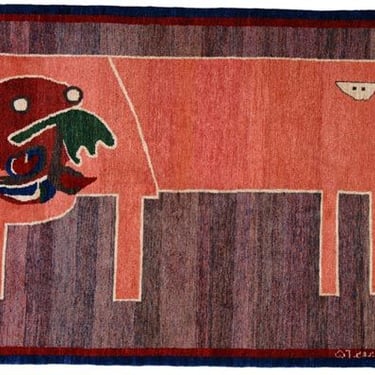
Tanavoli studied art in Tehran before continuing his education in Italy, where he was exposed to European modernism and classical sculpture. Upon returning to Iran in the late 1950s, he became a central figure in what would later be known as the Saqqakhaneh movement—a groundbreaking artistic approach that drew inspiration from Shiite folk art, talismans, calligraphy, and traditional symbols. Rather than imitating Western styles, Tanavoli and his contemporaries sought to build a distinctly Iranian modernism.
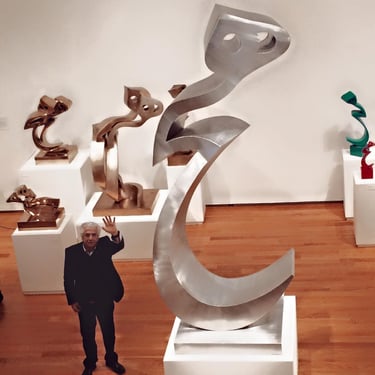
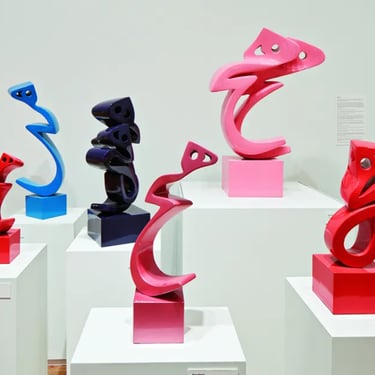
His most famous contribution to art history is the Heech (Nothingness) series. Derived from the Persian word meaning “nothing,” Heech became a recurring motif through which Tanavoli explored philosophical, linguistic, and existential questions. By transforming a written word into a three-dimensional sculptural form, he collapsed the boundaries between language and object, presence and absence. Over time, Heech evolved into countless variations—standing, seated, locked in cages, reclining, or monumental in scale—each carrying its own emotional and conceptual resonance.
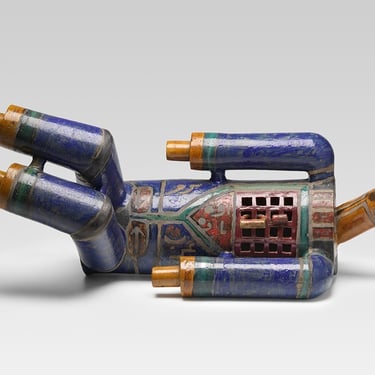
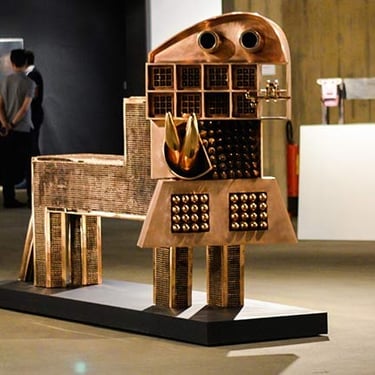
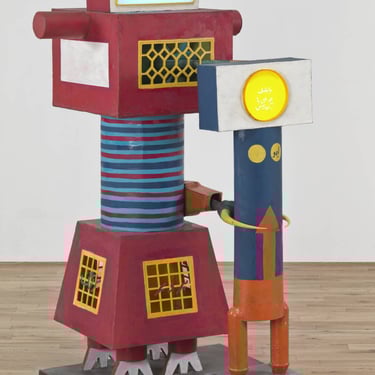
Beyond Heech, Tanavoli’s work frequently incorporates hands, lions, cages, doors, and locks, symbols deeply embedded in Persian culture. These motifs often reflect themes of power, confinement, spirituality, and human resilience. His sculptures balance weight and stillness, simplicity and symbolism, giving them a timeless quality that resonates across cultures.
In addition to his artistic practice, Tanavoli is a respected scholar and researcher. He has published extensively on Persian tribal art, carpets, and jewelry, helping to preserve and elevate traditional crafts within academic and artistic discourse. His dual role as artist and historian has played a crucial part in redefining how Iranian visual culture is understood internationally.
Tanavoli’s works are held in major public and private collections worldwide, including the British Museum, Tate Modern, Metropolitan Museum of Art, and the Tehran Museum of Contemporary Art. Today, his sculptures are among the most sought-after works of Middle Eastern modern art, regularly achieving record prices at international auctions.
More than a sculptor, Parviz Tanavoli represents a bridge between past and present—a figure who gave contemporary form to Persian identity while opening Iranian art to the global stage.